HelloPower: Scalable, Intelligent Energy Solutions for Two-Wheeler Mobility
2026-02-09
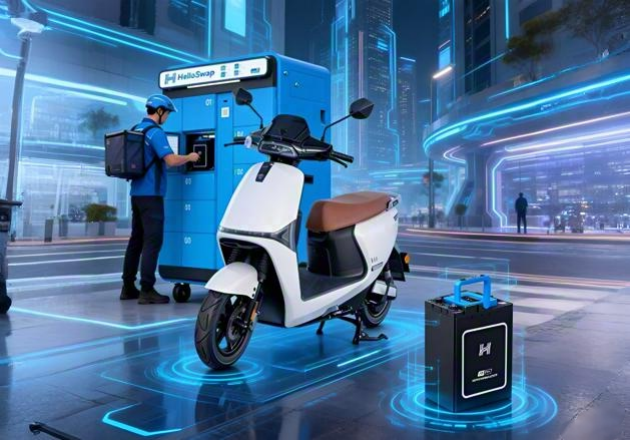
Battery swapping for electric two-wheelers is rapidly becoming essential infrastructure. Gogoro and HelloPower (HelloSwap) both provide mature end-to-end systems, but they evolved in different environments and serve different strategic needs. This comparison looks at what matters for operators, OEMs and cities: scale, technology, business model and strategic fit.
Dimension | Gogoro | HelloPower (HelloSwap) |
Origin & focus | Taiwan-grown e-scooter ecosystem with "swap & go" user experience. | China-grown two-wheeler energy ecosystem serving public, commercial and individual users. |
Network footprint | 12,000+ GoStations in Taiwan, expansion in India and other markets. | 800M+ users, 10M+ vehicles, 5M+ batteries, 80K+ cabinets in 500+ cities worldwide. |
Typical users | Riders and OEMs inside the Gogoro / PBGN ecosystem. | Governments, fleets/platforms, dealers and everyday riders. |
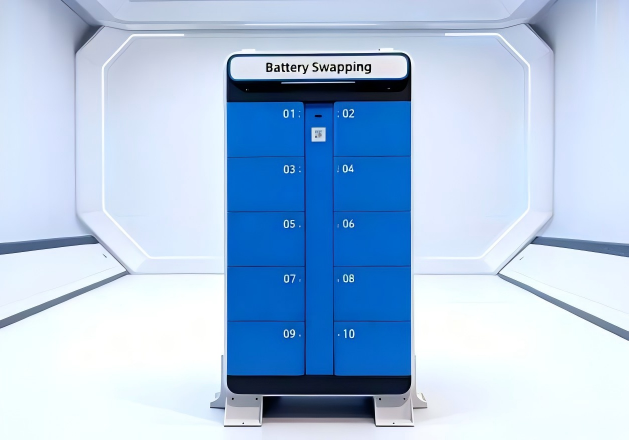
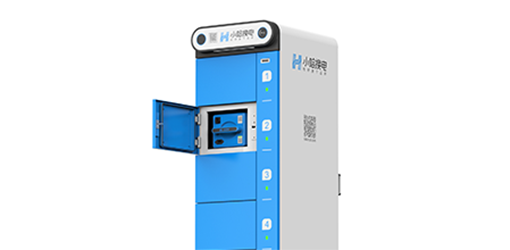
Key hardware | GoStations / Super GoStations as high-capacity street cabinets. | 5–12 slot modular cabinets for fine-grained deployment. |
Batteries | Proprietary smart packs with 20+ sensors, managed by Gogoro Network. | CATL-cell smart packs (48–72 V) with IP67, 4G/GPS, OTA and intelligent BMS. |
Core business | Battery-as-a-Service subscriptions plus ecosystem-based offers. | BaaS + EV rental/retail + SaaS/PaaS + operations support. |
In short, Gogoro shows what a highly recognized e-scooter swapping ecosystem can look like in its core markets, while HelloPower (HelloSwap) delivers a scalable, full-stack platform that operators and cities can adapt to their own two-wheeler energy strategies.
If you want to evaluate a HelloPower battery swapping network for your market, leave a message and our team can support with feasibility studies, network design proposals and pilot deployment planning.
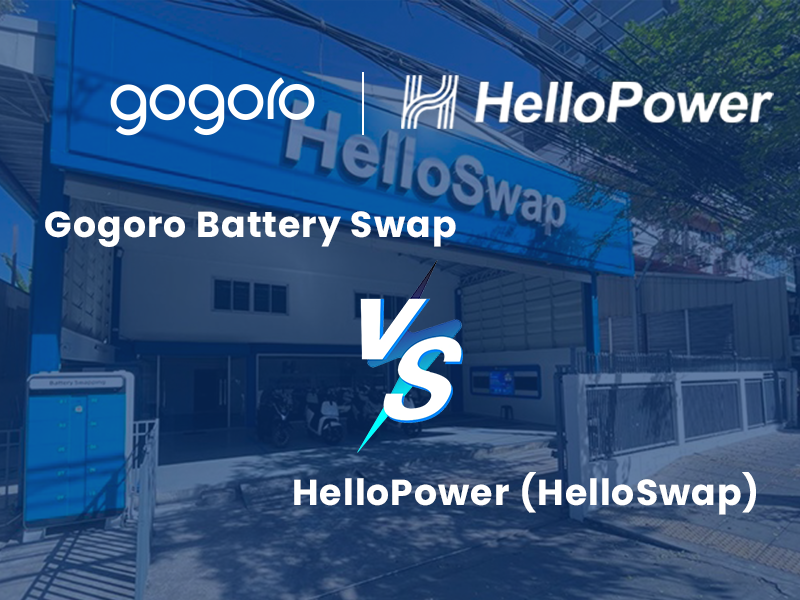
Gogoro has built a large e-scooter swap network with more than 12,000 GoStations and high daily swap volumes in Taiwan, plus deployments in India and other markets. In its core regions, it is one of the most recognized and trusted battery swapping brands.
HelloPower (HelloSwap) reports 800M+ global users, 10M+ operating vehicles, 5M+ batteries, 80K+ cabinets and 500+ cities covered. This footprint comes from domestic operations in China and overseas projects, supporting shared riders, professional couriers, private owners and partner fleets in different countries.
Takeaway: Both operate large-scale networks. Gogoro is a benchmark for dense e-scooter swapping and brand recognition in its core markets; HelloPower (HelloSwap) brings very broad coverage and user volume in diverse two-wheeler scenarios.
Both ecosystems are organized around riders and vehicle manufacturers joining a common network: riders use apps and plans, swap at branded stations, and plug into a unified battery and station platform. This applies to Gogoro with its scooters and PBGN partners, and to HelloPower (HelloSwap) with its partner OEMs and fleets.
The difference is in emphasis. Gogoro's story starts from the scooter brand and rider lifestyle in markets where it leads. HelloPower starts from the full chain of stakeholders:
Public-sector partners that care about compliance and safety,
Fleets and platforms that care about uptime and cost,
Riders who care about convenient, affordable energy.
The same HelloPower network and batteries are used by shared fleets, delivery riders and private users, so investments serve multiple user groups at once.
Takeaway: Both deliver consumer-grade experiences and support multiple OEMs on one platform. HelloPower (HelloSwap), in addition, is built to balance public-sector and fleet requirements alongside rider experience from day one.
Both Gogoro and HelloPower (HelloSwap) are engineered around fast, simple swaps: dock the depleted pack, confirm, and take a charged pack. Gogoro highlights "swap & go in seconds", and public demos show about six seconds per swap at GoStations. HelloPower cabinets are designed for a similar 6–15 second "scan–swap–go" flow, including rider authentication and billing, and can achieve sub-10-second swaps in real operation when the process is familiar to riders.
Both networks are built for 24/7 operation with remote monitoring and fault detection. Both aim to keep UX consistent across hardware and apps so riders know what to expect at each station.
Gogoro focuses on high-visibility locations in its markets and a tightly controlled user journey under its brand. HelloPower gives operators additional tools—dashboards for cabinet health, alarms, utilization and route patterns—so that a city or fleet operator can adjust density, pricing and maintenance to its own KPIs.
Takeaway: On basic UX and uptime, the two systems are similar. Gogoro emphasizes a unified consumer brand in its footprint; HelloPower (HelloSwap) adds more operator-side controls for multi-city and multi-scenario networks.
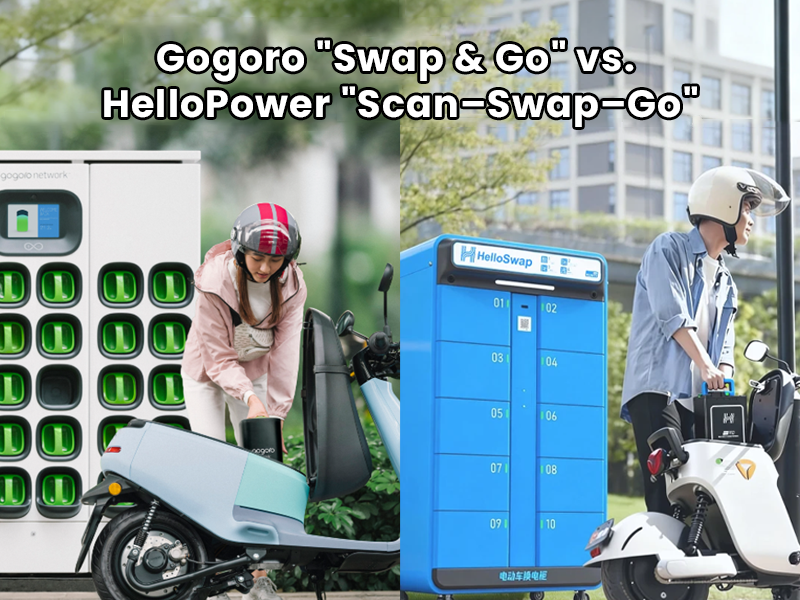
Both suppliers treat batteries as smart, connected assets instead of simple hardware. Gogoro's Smart Battery uses automotive-grade cells, more than 20 sensors and encrypted communication with its network; each pack sends status data so charging, fault detection and firmware updates can be managed centrally.
HelloPower (HelloSwap) uses CATL cells across its swappable packs, with 48–72 V designs in both LFP and NMC chemistries depending on use case. Packs are IP67-rated and equipped with 4G/GPS and intelligent BMS, so each battery is also visible and manageable through the cloud platform.
In both systems, sensors inside the battery and electronics inside the station work together to apply charging and discharging rules, while cloud analytics refine those rules over time based on how the fleet is actually used.
HelloPower also offers a layer that is especially relevant to operators: before a charged pack is released, the platform checks a small set of key numbers—voltage and current ranges, temperature, cycle count and recent alarms—and automatically holds and flags any pack outside the safe window. This behavior is tuned using data from millions of swaps across different cities and climates.
Takeaway: The core idea—smart batteries, station logic and cloud analytics working together—is shared by both. HelloPower (HelloSwap)'s implementation is shaped by very large, mixed fleets and is designed to be adjusted with operator feedback for local conditions.
Both Gogoro and HelloPower (HelloSwap) use compact street cabinets that can host many batteries and serve multiple scooter or bike brands on one platform. Gogoro's GoStations and Super GoStations are installed at fuel stations, parking lots and retail locations; within the Gogoro / PBGN ecosystem, several scooter brands share the same battery and station network.
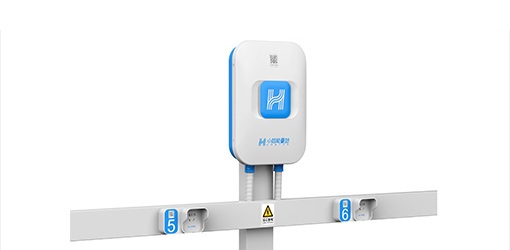
HelloPower offers 5-, 6-, 10- and 12-slot modular cabinets, typically in the 5.5–9 kW range. Smart swap cabinets are compatible with HelloPower's battery families and multiple OEM models, so operators can serve delivery bikes, shared vehicles and private vehicles from the same rack.
Both suppliers design battery swap stations to be weather-resistant and remotely managed, with continuous monitoring, controlled charging and safety features such as automatic shutdown under abnormal conditions. Gogoro has run grid-service pilots in some markets, where GoStations participate in virtual power plant and demand-response programs.
HelloPower's cabinets combine temperature and current monitoring, smoke detection and slot- or cabinet-level fire-suppression technologies such as water-based or aerosol systems, depending on model. Deployments are aligned with local electrical and fire-safety codes, and the software allows operators to schedule charging and shift loads, including solar-plus-storage-plus-swap projects for rider hubs in Chinese cities.
Takeaway: On station design and safety, the logic is similar: compact cabinets, multi-brand support, remote control and strong protection systems. HelloPower (HelloSwap) highlights experience with integrated "swap + energy" projects and very high rider volumes in dense urban environments.
Both vendors use Battery-as-a-Service (BaaS) as a core revenue model, sometimes combined with per-swap options or bundles that include the vehicle and energy together. Hardware investment is typically shared between the technology provider and local partners, and payback depends on subscriber numbers and station throughput.
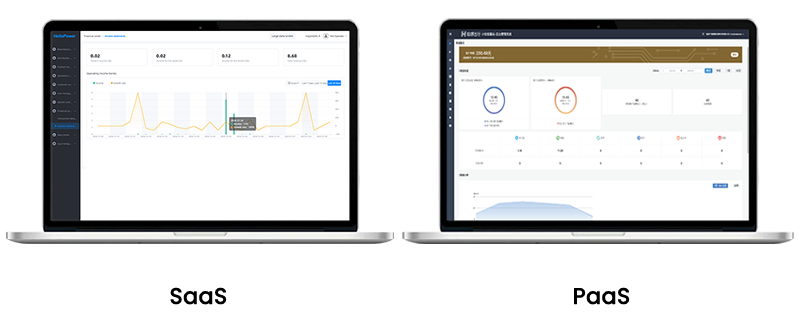
Gogoro's packages are designed around its scooter brand and partner OEMs in the markets where it operates. HelloPower (HelloSwap) extends its offering to include EV rental and retail products plus a SaaS/PaaS platform that partners can use for billing, fleet management and asset tracking.
In Gogoro's model, the structure of plans, tariffs and station rollout is strongly influenced by Gogoro's ecosystem strategy, with adaptation through local partnerships.
In HelloPower's model, partners receive the stack and the data needed to design their own tariff and investment plans—cabinet utilization curves, battery rotation patterns and payback simulations under different price schemes—based on how they want to serve public-sector customers, fleets and private riders.
Takeaway: Both can deliver BaaS and bundled services. Gogoro usually defines the commercial framework in its markets; HelloPower (HelloSwap) is structured so that partners define it, using a proven platform and operational playbook.
The right supplier depends on your role and market. The examples below illustrate typical scenarios where each model tends to be a better fit, rather than strict rules.
Scooter brand in a Gogoro-active market
In regions where Gogoro has already deployed a dense station network and invests in marketing, partnering with Gogoro Network can give a scooter brand immediate access to a mature swapping experience and a well-known energy platform, reducing the need to design its own infrastructure and subscription system from zero.
Fleet, platform, or dealer group across several cities
For delivery, logistics or shared fleets operating across multiple cities, HelloPower (HelloSwap) can supply batteries, swap cabinets, vehicles and a SaaS management platform as a single package, while allowing partners to define their own branding, tariffs, contracts and rollout strategy based on local economics.
City or public-sector partner
For cities and public-sector partners planning large-scale two-wheeler electrification, HelloPower contributes experience with safety, regulatory requirements and economic modelling for networks that serve municipal programs, commercial operators and everyday riders, including projects that combine battery swapping with solar generation and stationary storage at rider hubs.
HelloPower (HelloSwap) is designed from the perspective of running very large, mixed two-wheeler networks: shared services, professional couriers and private riders using the same infrastructure. Its CATL-cell smart batteries, modular cabinets, cloud management platform and operational know-how have already been deployed across hundreds of cities and millions of daily trips.
For OEMs, fleets and public-sector partners that want a two-wheeler battery swap network to become part of their long-term infrastructure, HelloPower offers a full stack you can deploy and then shape—on branding, pricing, contracts and growth pace—to match your own market and policy reality, while still learning from what has already been proven at scale.
To discuss how a HelloPower (HelloSwap) network could fit your plans, please contact us to review your current fleet or city profile, explore technical options, and outline a practical roadmap from initial trials to scaled rollout.
Contact Us
hellopowerglobal@hellobike.com
Location
2F, Building 1, No.898 XiuWen Road, MinHang District, Shanghai, China
Copyright © 2024 福建宁德惠智无限科技有限公司 All Rights Reserved. 闽ICP备2023025900号-3.