China's No.1 Two-Wheeler Battery Swap Network: The HelloPower & HelloSwap Model
2026-01-04
When you search for electric scooter or e-bike batteries, you often see "lithium battery" and "lithium-ion battery" used interchangeably. However, the terms themselves describe very different battery technologies. Understanding this distinction helps you make smarter choices when selecting batteries for any two-wheeler EV.
In everyday consumer and industry language, "lithium battery" usually refers to primary lithium batteries—non-rechargeable cells designed for single-use applications and discarded after depletion.
"Lithium-ion battery," or "Li-ion battery" in short, by contrast, refers to rechargeable lithium systems designed for repeated charge and discharge in practical use.
While both contain lithium, they are built around different electrochemical design assumptions, leading to very different usage patterns.
The terms get mixed up in everyday conversation. Consumers and sellers casually use "lithium battery" as shorthand for "lithium-ion battery," and this informal usage has become so widespread that even technical product listings and industry documentation may mix the terms interchangeably.
For buyers researching two-wheeler EV batteries, this can be confusing. Understanding the real difference helps you evaluate products accurately and avoid purchasing the wrong technology for your needs.
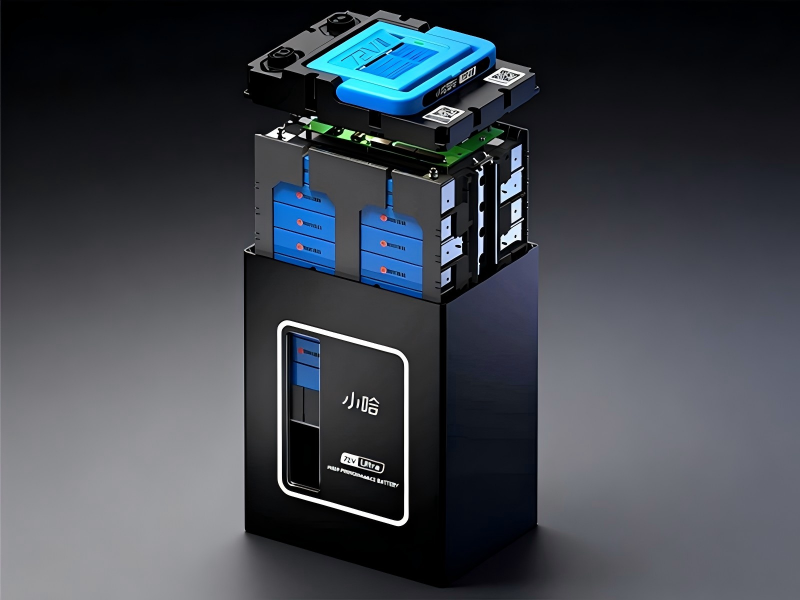
A primary lithium battery contains metallic lithium at the negative electrode (anode). During discharge, this lithium oxidizes, releasing electrons and energy that power the device.
Primary lithium batteries are found in applications requiring long shelf life and reliability:
Medical implants like pacemakers and neurostimulators
Emergency beacons and distress signals
Smoke detectors and security sensors
Watches and clock backup systems
Military equipment requiring a decade-long standby power
Recharging is neither expected nor practical—these devices are designed for single-use deployment. No commercial electric scooters or e-bikes use primary lithium batteries. Replacing an entire battery pack after every single discharge would make electric transportation prohibitively expensive.
If you attempt to recharge a primary lithium battery, the chemical reaction must reverse. This is where problems emerge. Instead of reforming into a smooth, controlled layer, metallic lithium redeposits as dendrites—needle-like crystal structures that grow uncontrollably—that can eventually pierce the internal separator (the thin membrane that prevents short circuits between electrodes) and cause:
Internal short circuits
Battery temperature rise
Accelerated chemical reactions
Risk of fire or explosion
This dendrite formation is inherent to primary lithium chemistry—not a design flaw that better engineering can fix. While battery management circuits can limit external misuse, they cannot prevent the underlying electrochemical reaction. As a result, primary lithium batteries cannot be safely or practically recharged.
Secondary lithium-ion batteries use lithium compounds embedded in carbon electrodes. The key difference is that lithium ions move reversibly between electrodes via a process called intercalation, rather than forming metallic lithium.
During discharge: Lithium ions leave the positive electrode (cathode), flow through the electrolyte, and insert between the graphite layers in the negative electrode (anode). Electrons simultaneously travel through your device's external circuit, powering it.
During charging: External voltage reverses the process—lithium ions move back out of the graphite and return to the cathode.
This architecture greatly reduces the risk of dendrite formation and internal short circuits, allowing hundreds or thousands of cycles delivering usable energy.
Lithium-ion's reversible chemistry makes it an efficient and practical solution for devices that require repeated recharging, including:
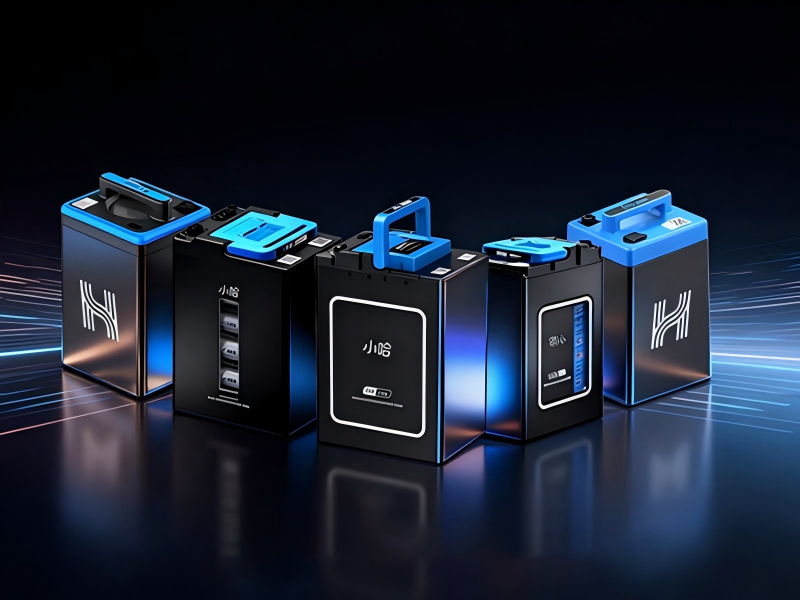
Electric scooters and e-bikes – require reliable daily or frequent recharging for transportation
Smartphones and laptops – demand consistent performance over thousands of charge cycles
Power tools and professional equipment – depend on repeated, high-reliability use without frequent battery replacement
Other portable devices – benefit from high energy density and predictable, long-term performance
While other rechargeable chemistries exist, lithium-ion delivers the best balance of energy density, rechargeability, and cost, making it the dominant choice for both consumer electronics and modern electric mobility. In real-world two-wheeler use, Li-ion battery packs can retain useful capacity for multiple years under normal daily or frequent charging before replacement is needed.
While modern electric scooters and e-bikes depend largely on secondary lithium-ion technology, several different chemical formulations exist and the right choice matters.
Chemistry Type | Energy Density (typ.) | Cycle Life (typ.) | Safety | Cost | Primary Applications |
NMC (Nickel Manganese Cobalt) | 200–250 Wh/kg | 800–1,500 cycles | Moderate | Moderate | Most consumer e-bikes and scooters, balanced performance |
LFP (Lithium Iron Phosphate) | 160–200 Wh/kg | 2,000+ cycles | Excellent | Low | High-frequency use, fleets, safety-critical applications |
NCA (Nickel Cobalt Aluminum) | 250–300 Wh/kg | 800–1,500 cycles | Moderate | High | Premium electric motorcycles, high-range EVs |
LMO (Lithium Manganese Oxide) | 150–180 Wh/kg | 500–1,000 cycles | Good | Low | Power tools, early-generation e-bikes |
LCO (Lithium Cobalt Oxide) | 200–250 Wh/kg | 500–1,000 cycles | Lower | Moderate | Consumer electronics; not recommended for vehicles |
Note: All values reflect typical cell-level performance under standard conditions; actual battery pack performance varies with system design, thermal management, BMS, and operating environment.
Among these chemistries, NMC and LFP have become the dominant choices for electric scooters and e-bikes, each serving different operational needs:
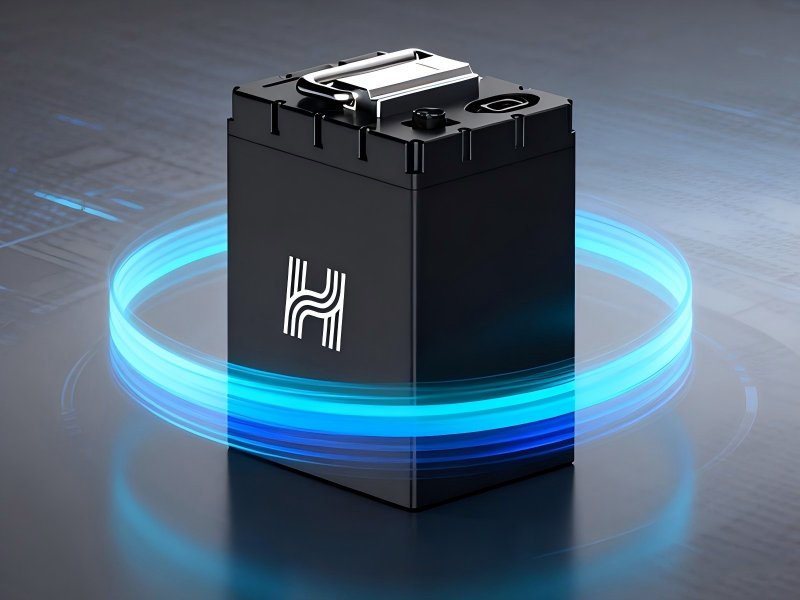
NMC (Nickel Manganese Cobalt) delivers the best energy density for consumer applications:
Stores more energy per kilogram than LFP (greater range per charge)
Cost-effective at manufacturing scale
Ideal for longer-distance routes and urban commuting
Represents the majority of consumer e-bike and scooter deployments worldwide
LFP (Lithium Iron Phosphate) prioritizes durability and operational stability:
Inherently more thermally stable than NMC
Contains no cobalt (environmental and supply-chain advantages)
Maintains performance longer under intensive daily cycling
Increasingly preferred in shared fleet operations and commercial deployments
Other chemistries serve specialized applications. NCA enables maximum energy density in premium e-motorcycles, though its complexity makes it less common in consumer e-bikes. LMO was standard in legacy e-bikes but has largely been replaced by more durable NMC and LFP options. LCO remains confined to consumer electronics due to its thermal characteristics.
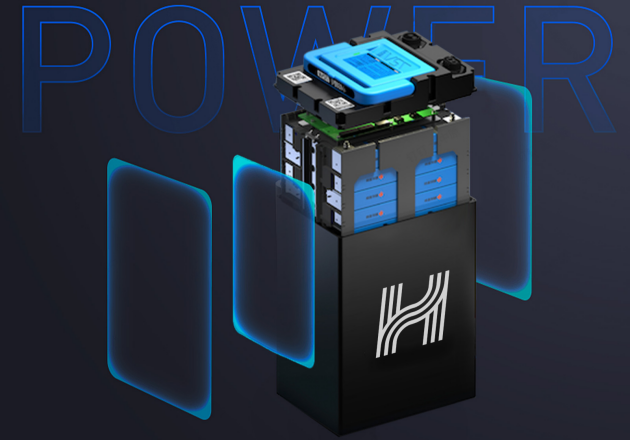
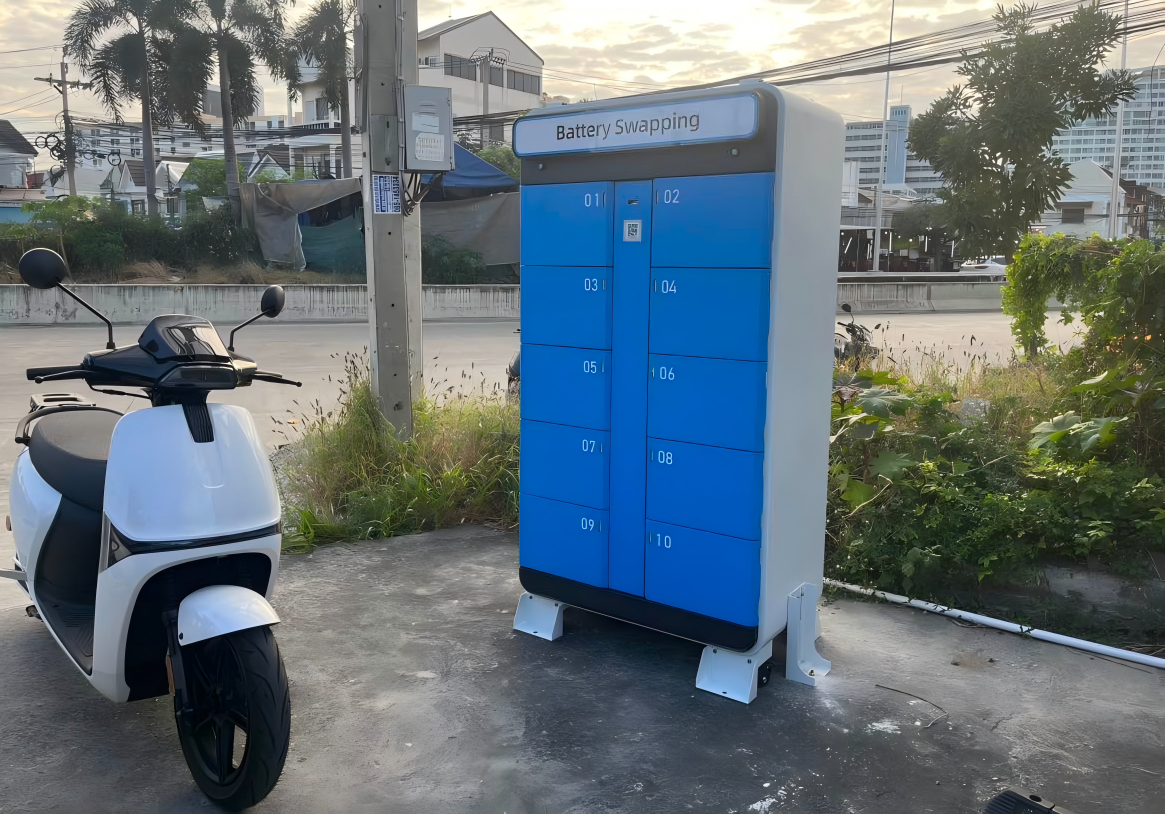
Lithium-ion chemistry, such as NMC and LFP, offers high energy density, long cycle life, and reliable rechargeability—foundational advantages for modern electric scooters and e-bikes. This makes Li-ion batteries suitable for standardization at the pack level. As a result, standardized Li-ion battery packs can support fast battery swapping, minimize operational downtime, and simplify maintenance—critical requirements for fleet-scale and shared two-wheeler deployments.
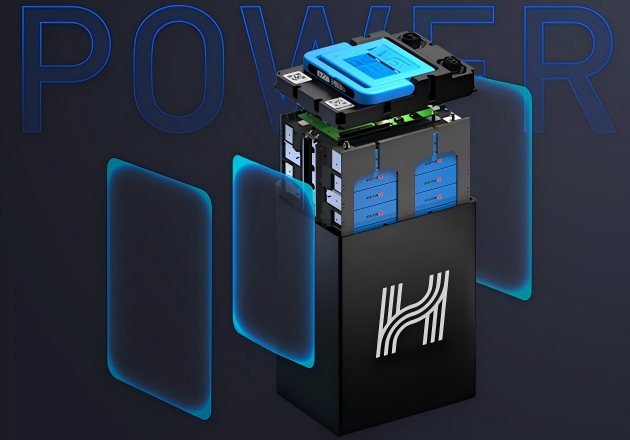
Backed by Hello Inc., Ant Group, and CATL, HelloPower & HelloSwap leverages these design and chemistry benefits to deliver world-leading lithium-ion cells, advanced BMS intelligence, and proven durability across millions of daily swaps, ensuring safety, reliability, and optimized fleet uptime.
Ready to deploy at scale? Contact HelloPower & HelloSwap for technical consultation on E2W battery chemistry selection, fleet system architecture, and battery swapping network design that actually matches your operational model.
A lithium battery typically means a primary, non-rechargeable cell using metallic lithium for single use. A lithium-ion battery is rechargeable, with lithium ions moving reversibly between electrodes, enabling hundreds or thousands of charge cycles.
No. Primary lithium batteries are non-rechargeable and impractical for repeated use. Electric scooters and e-bikes require rechargeable lithium-ion batteries to support frequent charging, predictable performance, and economically viable daily operation.
Primary lithium batteries use a one-way reaction with metallic lithium. Recharging causes dendrite formation, which can pierce the separator, trigger internal short circuits, and increase fire risk—an inherent chemical limitation, not an electronics issue.
"Lithium battery" is commonly used as marketing shorthand. In reality, electric scooters and e-bikes use lithium-ion batteries. The term persists because it is familiar to consumers, even though it is technically imprecise.
In typical e-scooter or e-bike use, lithium-ion battery packs maintain practical capacity for approximately 3–6 years. Actual lifespan depends on chemistry, charging habits, depth of discharge, operating temperature, and battery management system quality.
Contact Us
hellopowerglobal@hellobike.com
Location
2F, Building 1, No.898 XiuWen Road, MinHang District, Shanghai, China
Copyright © 2024 福建宁德惠智无限科技有限公司 All Rights Reserved. 闽ICP备2023025900号-3.