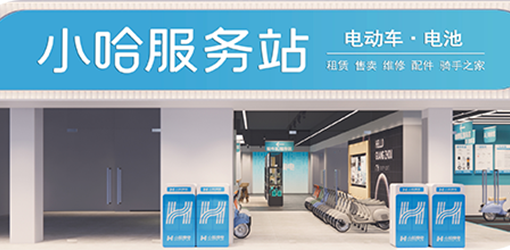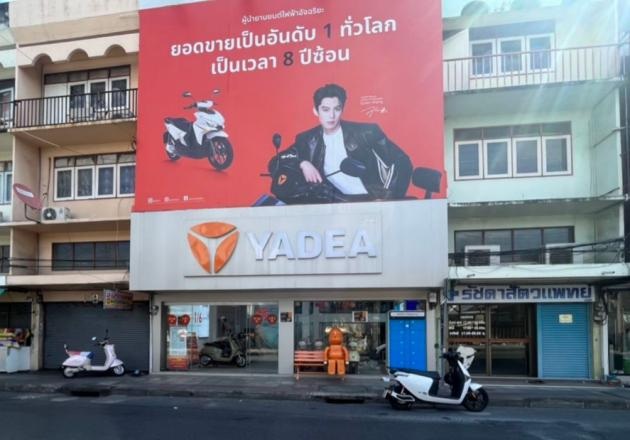
Top Battery Swapping Companies in Thailand: Who's Building the Future of Electric Mobility
2026-06-17
Thailand registered 23,993 electric two-wheelers in 2025, bringing the total on-road parc to 87,151 units—still under 1.5% of the 1.73 million motorcycles sold that year. For operators, fleet partners, and investors, this is still an early market, but one with a clear policy direction and visible commercial use cases already taking shape.
Thailand's 30@30 policy targets 675,000 electric two-wheelers produced annually by 2030. That direction is reinforced by EV 3.5 incentives and, since April 2026, a soft-loan programme via the Government Savings Bank offering financing for electric motorcycles at up to 10% annual interest through March 2027.
National plans also call for around 1,450 battery swapping stations and 12,000 charging points by 2030, while the number of operational swap stations today is still only a small fraction of that target. The policy direction is clear; the infrastructure that is supposed to support it is still being built. For operators and investors looking at Thailand's electric two-wheeler market, that gap between what has been set as a national objective and what exists on the ground is where the next wave of projects will sit.
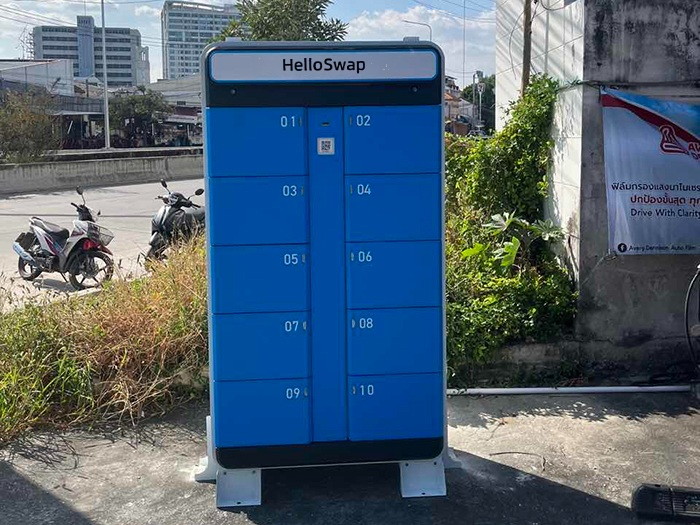
The clearest near-term demand for battery swapping is coming from professional riders and the organisations that rely on them, especially in Bangkok and neighbouring provinces.
Bangkok's motorcycle taxi network handles millions of trips each day, and fuel costs take a large share of each fare. In February 2026, the Bangkok Metropolitan Administration and GIZ launched the "EV for Win Riders" pilot in Din Daeng and Phaya Thai, giving more than 200 motorcycle taxi riders and BMA street sweepers access to electric motorcycles on a daily-lease basis, with battery swapping as the primary energy service. The project is designed to generate operating data under real working conditions so future expansion can be based on evidence rather than assumptions.
Last-mile delivery operators are moving in the same direction for cost reasons. Thailand Post and other logistics players have been increasing the share of electric motorcycles in their fleets because fuel remains a major operating expense. Once vehicles are deployed, swapping infrastructure becomes part of a more predictable operating model for high-frequency fleet use.
In Thailand, the battery swapping projects that are actually moving forward are built around organised fleets rather than individual retail buyers. Fleet lessors, logistics operators, and mobility platforms keep vehicles on their own balance sheets and give riders access through short- or long-term contracts, while a swapping network supplies the energy service that keeps those vehicles in circulation.
The Din Daeng and Phaya Thai pilot with motorcycle taxi riders and BMA street sweepers shows this structure in practice: working riders lease vehicles and use shared charging and swapping points instead of home or workplace charging. Commercial offers such as Winnonie's leasing for riders near mass-transit stations apply the same pattern by bundling vehicles, energy access, and maintenance into a single contract, instead of leaving riders to stitch together their own solution.
This configuration is what makes projects deployable, even though battery and vehicle standardisation is still a work in progress. In the near term, swap projects will advance where fleets adopt compatible vehicles, or where vehicle manufacturers and leasing partners agree to place compatible models into service for specific routes and rider groups.
In practice, a single commercial package has to combine compatible vehicles, batteries, and swap cabinets for a defined fleet, so operators can plan stations around known locations and daily kilometre patterns. Infrastructure can still be rolled out in phases—starting with corridors where motorcycle taxi and delivery activity are already dense—but each phase is anchored by contracted fleets and vehicle supply, rather than by diffuse consumer demand.
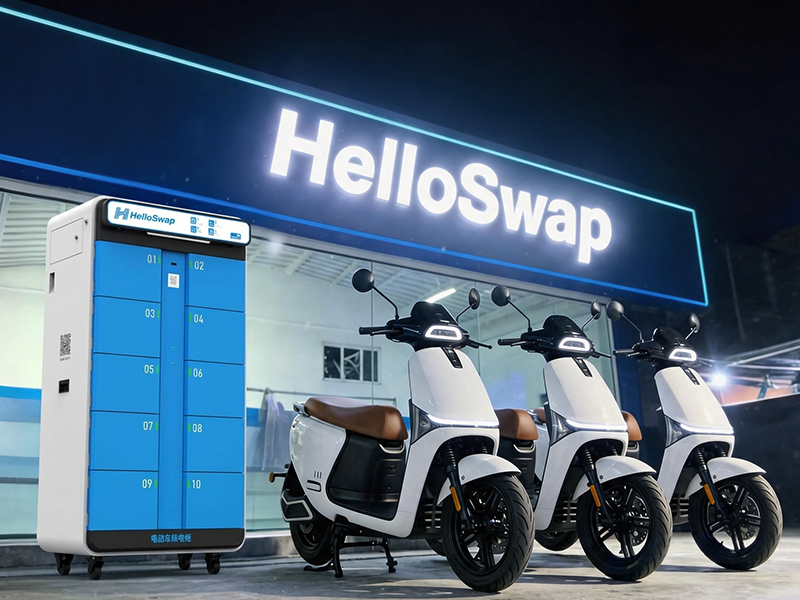
For fleet operators, site partners, and investors looking at battery swapping in Thailand, execution matters as much as market timing. Projects move faster when the technology stack and operating model are already proven elsewhere, especially in a market where compatible vehicles, station rollout, and local partnerships still need to be aligned.
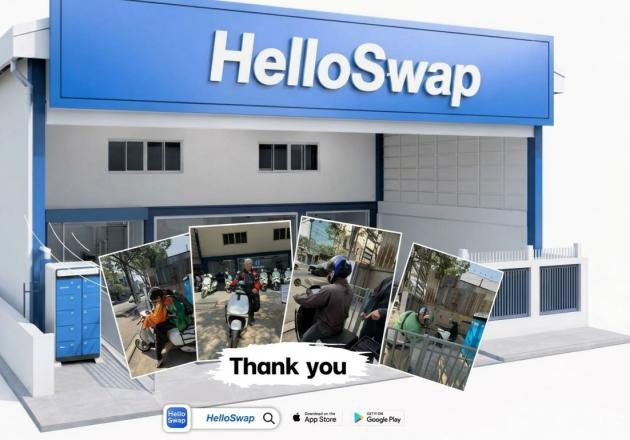
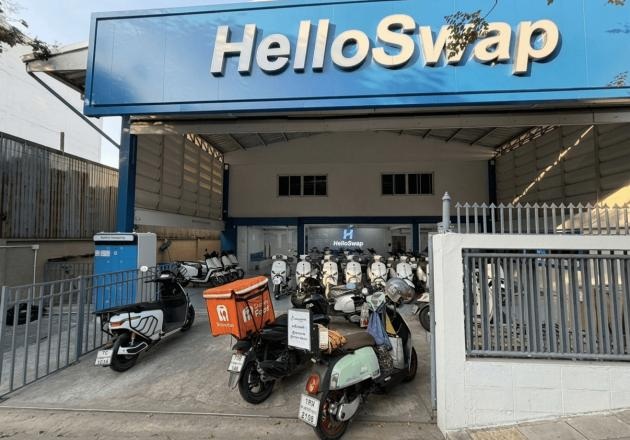
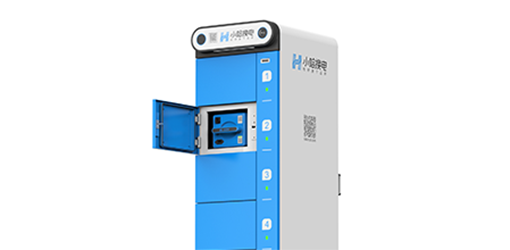
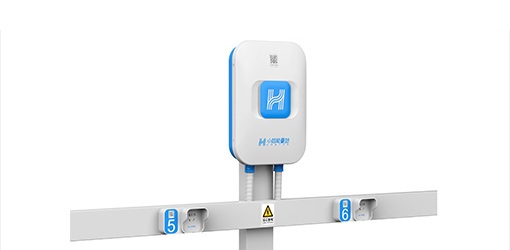
HelloSwap combines swappable batteries, smart swap cabinets, digital operating tools, and large-scale operating experience from dense two-wheeler networks. Backed by Hello Inc., Ant Group, and CATL, it integrates mobility operations, digital payment and data infrastructure, and battery technology in a way that few local entrants can easily replicate.
For enterprise and platform partners, deployments can be tailored with dedicated station planning, custom fleet billing and reporting, and API integration to existing dispatch or delivery systems, so that swapping fits into current operations instead of requiring fleets to start from zero.
To explore battery swapping projects in Thailand or across Southeast Asia, contact HelloSwap to discuss fleet partnerships, site deployment, and local market entry.
Contact Us
hellopowerglobal@hellobike.com
Location
2F, Building 1, No.898 XiuWen Road, MinHang District, Shanghai, China
Copyright © 2024 福建宁德惠智无限科技有限公司 All Rights Reserved. 闽ICP备2023025900号-3.