
How to Evaluate a Turnkey Two-Wheeler Battery Swapping Solution for Your Market
2026-09-29
Yes. Petrol stations and motorcycle workshops can add battery swapping alongside their existing businesses, turning existing locations and customer relationships into a new service opportunity for electric two-wheeler riders. Success depends on local demand, compatible motorcycles and scooters, suitable locations and effective daily operation.
At HelloSwap, we support partners with batteries, 5-to-15-slot cabinets, operating software and compatible electric two-wheeler options. In this article, we explain how to assess the opportunity and prepare for your first deployment.
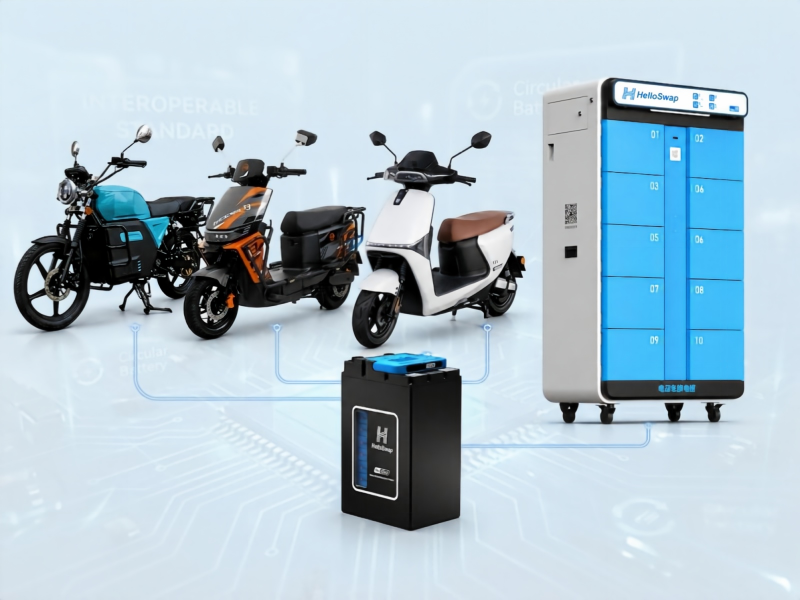
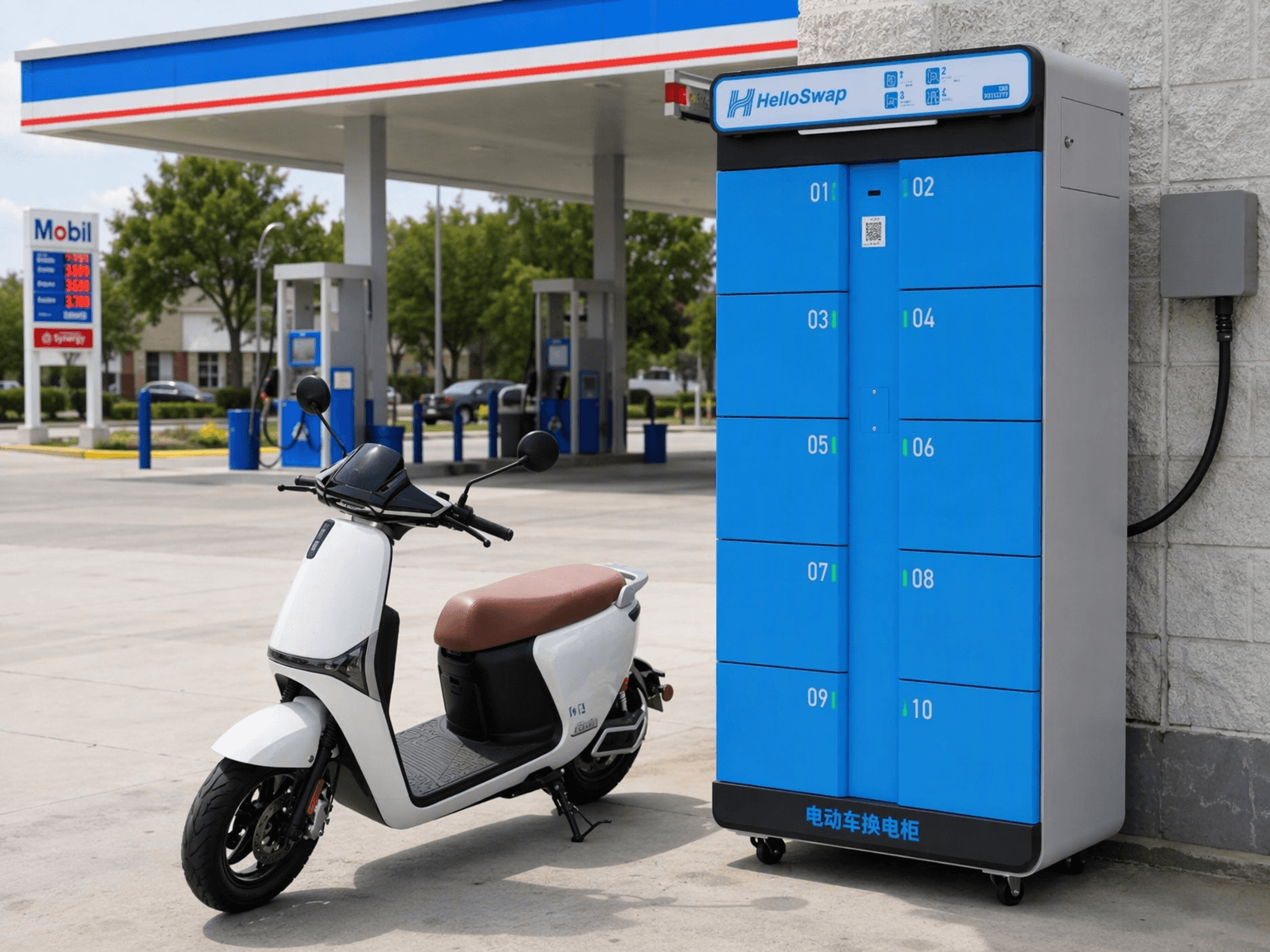
Petrol stations provide familiar stopping points, while motorcycle workshops already serve local riders. A two-wheeler battery swapping station can build on those advantages by giving compatible electric motorcycle or scooter riders a convenient place to exchange batteries during their daily routes.
Review nearby delivery routes and your existing electric motorcycle or scooter customers to identify who is likely to use the station. Use that rider activity to guide the first deployment.
The cabinet handles battery charging and swapping, while your team looks after the service around it. Daily tasks include:
Rider registration, packages and payment questions.
Battery inventory and charged-battery availability.
Opening hours and customer access.
Fault reporting and maintenance coordination.
Choose who will handle these tasks and how they fit existing workloads. HelloSwap's operating platform brings together rider accounts, battery status, cabinet activity and maintenance information, helping the team follow daily performance.
Start with an identifiable group: delivery fleets, existing electric riders or customers who are planning to purchase compatible scooters. Record their routes, working hours, daily use and busiest periods. These details show whether your location is convenient and how much capacity the first phase needs.
Before registering riders, check that their electric motorcycles or scooters are compatible with the system, including battery fit, connectors, communication protocols and control requirements.
Some projects begin with suitable motorcycles or scooters already in use. Others need compatible models supplied alongside the batteries and cabinets. Keep that decision within the launch plan so rider onboarding and equipment selection follow the same schedule.
HelloSwap supports compatible electric two-wheeler supply and evaluates suitable local models for compatibility with the swapping system. Models requiring engineering work need assessment and testing before deployment.
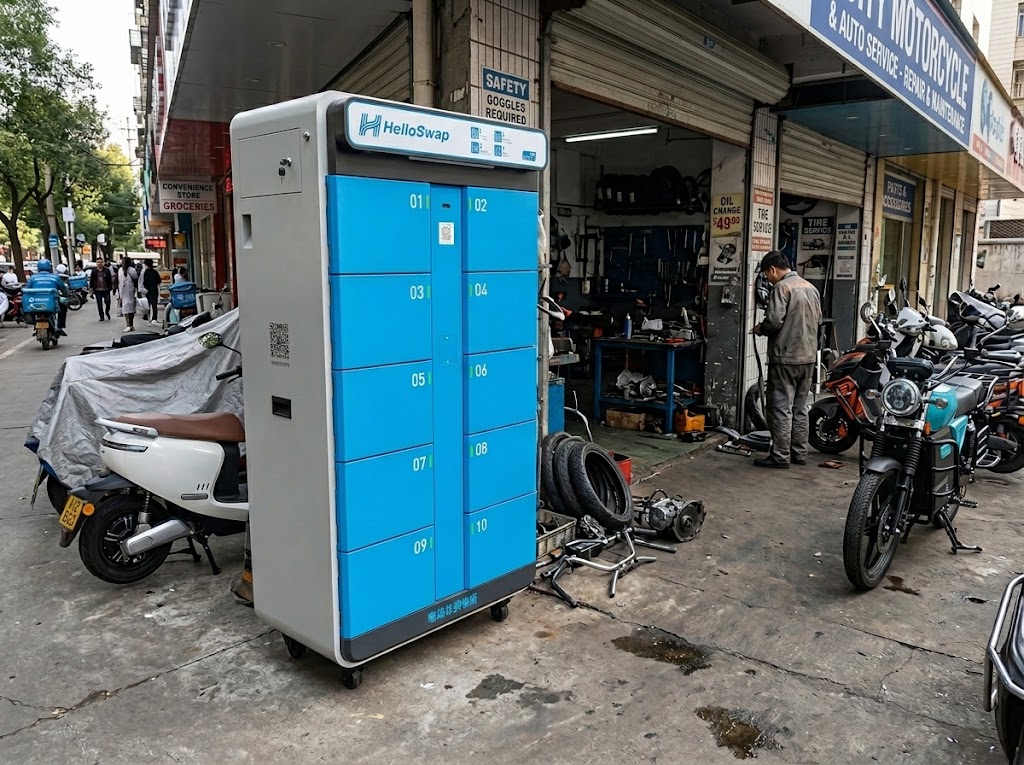
Riders need room to stop, swap batteries and leave. Technicians need access to open and service the cabinet. Request a drawing showing the cabinet, open doors, stopping area, service clearance, cable routes and any necessary impact protection.
Petrol station priorities | Motorcycle workshop priorities |
Preserve fuel dispensing, tanker access and customer circulation. | Preserve repair bays, customer parking and motorcycle collection areas. |
Check floor conditions, drainage and the route to the power supply. | Check floor conditions, drainage and nearby workshop equipment. |
Keep swapping activity clear of fuel queues and entrances. | Keep riders outside active repair areas and essential access routes. |
Review the proposed position during busy hours, when queues, deliveries and motorcycle collection may use space that appears clear at quieter times.
Give your electrician the cabinet's installation documents, including confirmed AC input figures, and details of the equipment already running at the site. They can perform a load assessment, check available capacity and identify the wiring, protection, earthing and isolation work needed.
Obtain separate costs for electrical installation, utility upgrades, inspections and surface restoration. Check connectivity at the actual cabinet position and include recurring charges in the budget.
A cabinet inside a locked workshop usually follows shop opening hours. An external installation may offer longer access where security and approved operating conditions allow it.
Publish hours that suit your customers and that you can maintain. Charging may continue after closing, so monitoring, alarms and response arrangements also need to cover periods when employees are absent.
Fuel vapour risks need consideration when selecting and reviewing a cabinet location. Provide qualified local reviewers with current plans showing dispensers, fill points, vents, tanker activity, drainage, hazardous areas and the proposed electrical works.
Local regulations and the site assessment determine the installation requirements. A position outside a marked hazardous zone still needs review within the whole site, including any changes to emergency arrangements.
Welding, fuel handling, combustible storage and motorcycle movements can affect the cabinet's position. Keep escape routes and maintenance access clear. Obtain landlord, franchise or head-office permission where required, and check local business registration or operating permissions.
Employees need procedures for damaged batteries, abnormal conditions, alarms and restricted access. Cabinet and battery-pack work should be limited to tasks covered by their training and authorization.
Tell your broker or insurer about battery storage, public access and charging outside normal business hours, especially when the premises are unattended. Obtain written confirmation of cover and any conditions to follow.
Review equipment loss, third-party liability, property damage and business interruption, including exclusions and deductibles. Set the incident-reporting process before opening.
Pricing should reflect customer usage, the business or partnership model and who pays the bill. Individual riders may prefer transaction-based payments or packages, while a fleet may use a centrally managed account.
Pricing structure | Terms to define |
Pay-per-swap | Price, completed-swap definition and failed-swap handling |
Monthly allowance | Included swaps, overage price and unused-allowance treatment |
Access fee plus usage | Access charge, usage rate and account eligibility |
Fleet account | Authorized riders, payment responsibility and usage commitment |
Explain refunds, disputed transactions, battery returns, loss, damage and unauthorized repairs before customers join. HelloSwap's platform supports accounts, orders, payments, pricing and business reporting.
Your investment includes more than the cabinet purchase. Allow for:
Batteries, installation and electrical work.
Connectivity, software and recurring service charges.
Staff time, maintenance and spare parts.
Battery replacement, loss and insurance.
Use measured electricity consumption where practical and apply the relevant tariff. Build an ROI model using the initial investment, expected revenue and operating costs over a defined period. Track cabinet utilization, swap frequency and battery usage alongside those figures to guide pricing, capacity and expansion decisions.
Your stock will include batteries with riders, batteries charging, ready-to-swap inventory and packs removed for inspection or maintenance. Plan around active riders, peak usage, charging recovery, usable slots, power capacity and reserve needs.
At HelloSwap, we help partners plan cabinet capacity and battery inventory around their initial rider group and expected swap demand. The platform provides visibility into battery status, cabinet activity, rider orders and maintenance information.
Test registration, battery return, charged-battery release and payment records. Use manufacturer-approved procedures or safe simulations for connection loss, incomplete swaps, unavailable batteries and alarms.
Staff need clear contacts for customer questions and technical escalation. Prepare the local maintenance schedule, spare-parts arrangements and fault-response process, and keep incident contacts and approved instructions available to every relevant shift.
For a chain, start with selected branches where compatible riders, suitable space and local support are available. Set the pilot period and review dates, then track:
Active riders and repeat usage.
Charged-battery availability at busy times.
Electricity consumption and revenue.
Staff workload and customer complaints.
Equipment faults and service response.
The first operating period shows where inventory, opening hours, pricing or staffing need adjustment. Use those findings to plan the next locations and their battery and cabinet capacity.
Each additional branch needs its own site and electrical assessment, even when procurement and software are shared. HelloSwap supports partners in using pilot results to refine the setup before expansion.
Share your country and city, business type, proposed sites, opening hours and available electrical information. Include your target rider group, expected launch size and whether you already have electric motorcycles or scooters or need compatible models.
Our team can help assess candidate sites, recommend cabinet capacity and plan deployment for your market. Submit your project details through the inquiry form below and start planning your battery swapping deployment.
Contact Us
Location
2F, Building 1, No.898 XiuWen Road, MinHang District, Shanghai, China
Copyright © 2024 福建宁德惠智无限科技有限公司 All Rights Reserved. 闽ICP备2023025900号-3.


