
Petrol vs Electric Motorcycles with Battery Swapping: A Delivery Fleet TCO Worksheet
2026-10-19
Some riders lose no delivery time to charging because their batteries recharge outside working hours. Others lose part of a shift to a charging stop or finish early when the battery runs low. The loss is the working time charging takes away, including extra travel and waiting.
At HelloSwap, we provide battery swapping solutions for food delivery and parcel fleets using electric two- and three-wheelers. A charged replacement pack lets the rider continue while the returned battery recharges. Whether that saves time depends on the route, station access and battery availability.
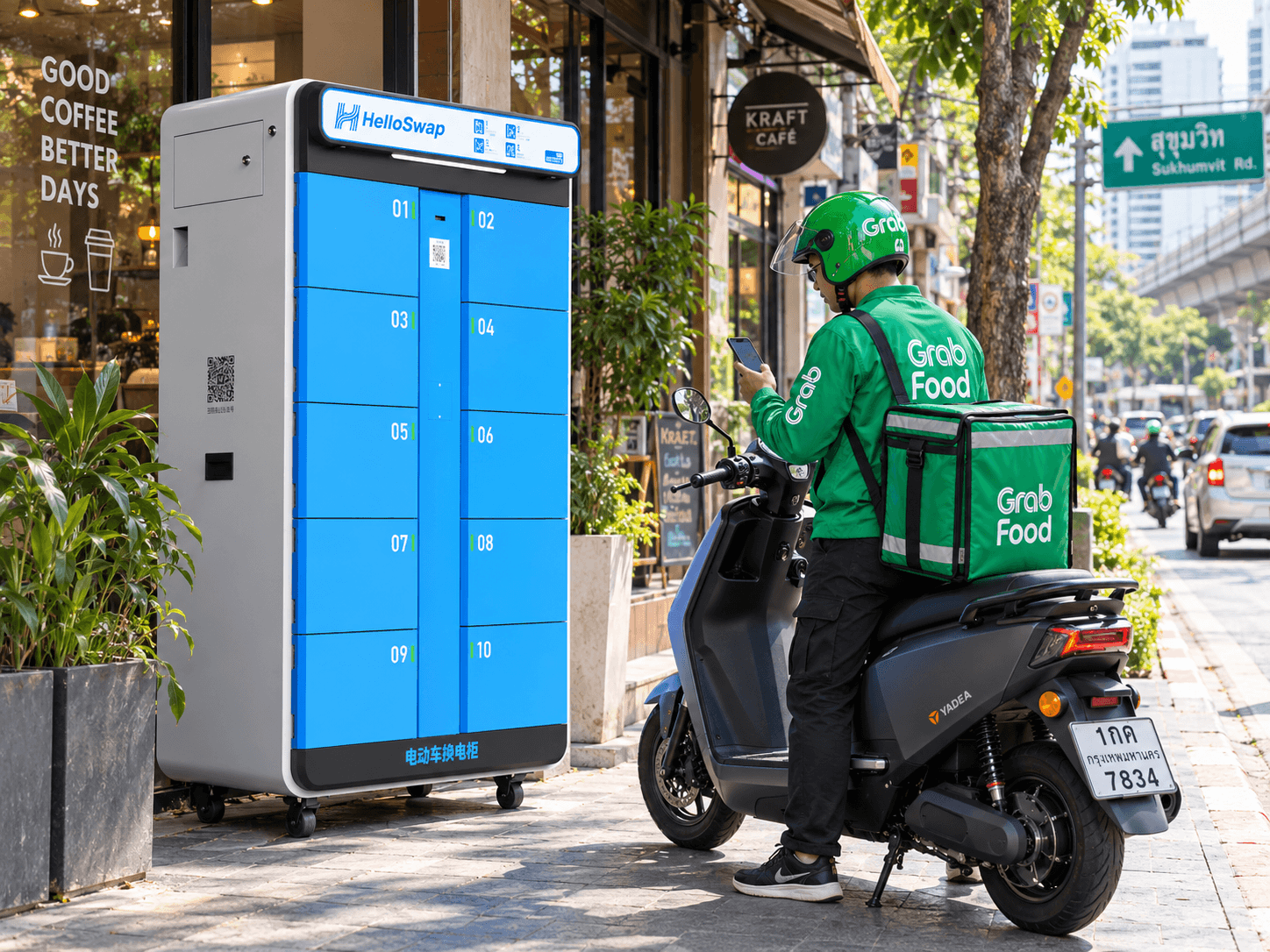
Charging downtime is time a rider planned to spend delivering but could not because the battery needed charging. It can include leaving the delivery area to find power, waiting for a charger, charging the battery and travelling back.
A courier returning to a depot for another load presents a different case. If the battery charges during loading and is ready by departure time, charging causes no additional delay. If the parcels are ready but the battery is not, the extra wait counts.
The same distinction applies to breaks and spare batteries. Charging during an existing break adds downtime only when it extends the interruption beyond that break. If the rider carries a compatible spare battery, count only the time spent changing batteries. Charging the removed battery later does not interrupt the current shift.
For food delivery, battery planning needs to cover the periods riders actually intend to work. Lunch and dinner may be the main commitments, with breakfast, afternoon and late-night orders forming part of some schedules. Use local demand and rider records to identify these working periods.
A charging stop between meal peaks may fit the day well. It still needs to leave the rider ready for the evening, with enough battery energy for the intended deliveries. Afternoon orders also matter when they form part of the rider's working plan: a quieter period is not automatically a scheduled break.
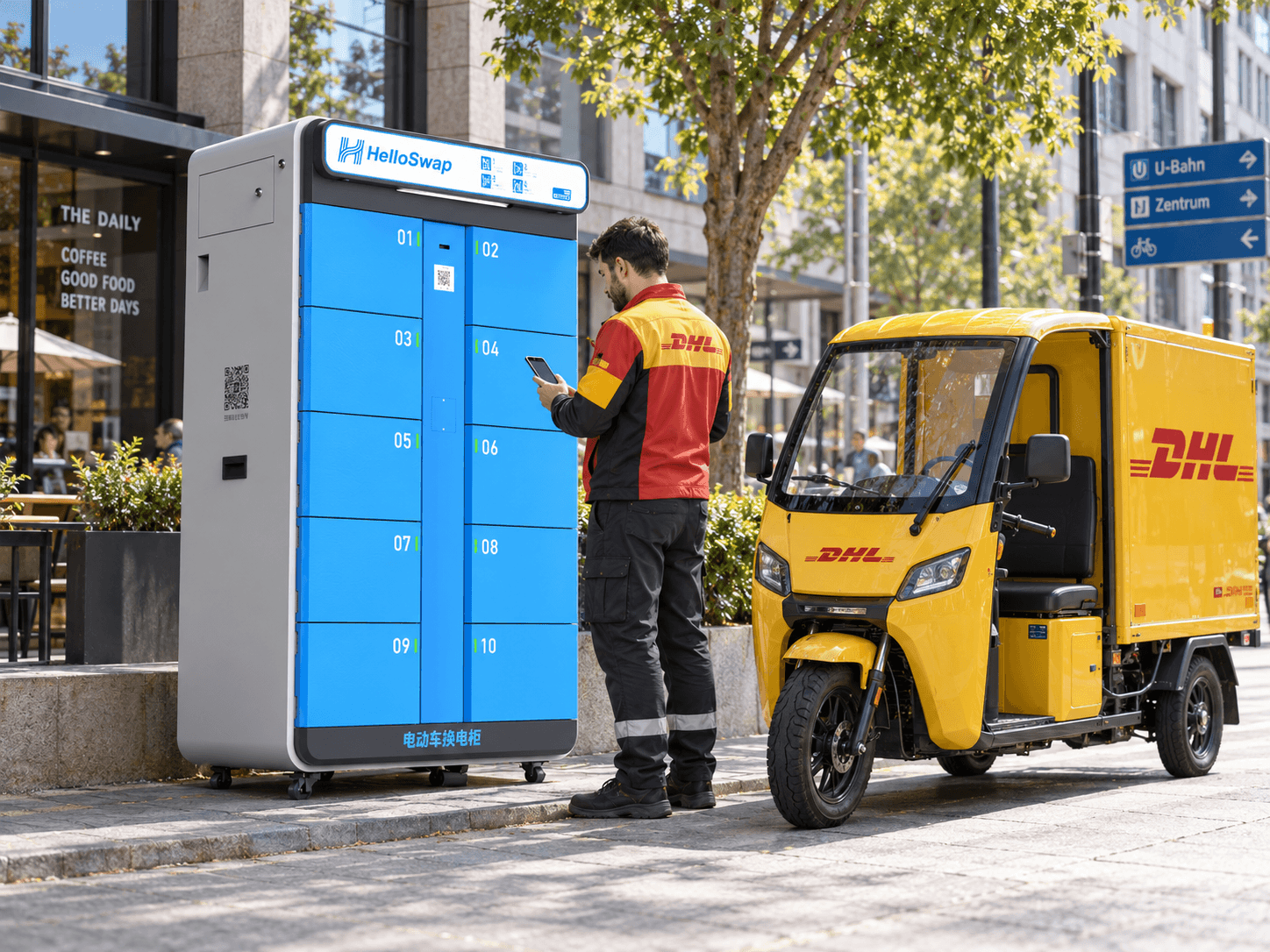
A parcel courier may need to complete a round, return for another load and leave again at a planned time. Charging can affect any of these stages. An extra depot trip solely for power takes time away from the route, while charging after loading can delay the next departure.
For electric cargo tricycles, the existing battery arrangement belongs in the assessment alongside mileage and routes. A setup that works for a delivery scooter cannot simply be assumed suitable for a loaded cargo tricycle. The comparison needs to reflect the actual model and battery configuration.
Start with the rider's planned working periods and breaks, then record charging stops across comparable days. A notebook or spreadsheet is sufficient. Keep records by rider, route and model so that one unusually long stop is not treated as a daily loss across the fleet.
Record | Details needed |
Working plan | Start and finish, planned breaks, delivery rounds and departures |
Equipment | Model, battery configuration and starting charge |
Route | Mileage and extra travel for charging |
Charging stop | Time leaving delivery work and time ready to resume |
Overlap | Planned breaks, loading or other preparation completed during charging |
Outcome | Return to deliveries, delayed departure, incomplete round or early finish |
For each stop, measure the interruption within the rider's planned working periods. Subtract time that coincides with a scheduled break or necessary work, such as loading, that charging did not delay. The remainder is the delivery time lost to that stop.
If a depleted battery forces the rider to finish early, count the delivery time still scheduled for that day, excluding planned breaks. Treat this as the end of that interruption rather than adding it to an already recorded stop. Combine the losses across the day to obtain the shift total.
Battery swapping allows riders to collect a charged pack and return to deliveries while the depleted battery recharges at the station. For fleets that need additional energy during a shift, this replaces an on-site charging wait with a battery exchange.
For food delivery, a swap before a busy period can help riders prepare for the orders ahead. For parcel fleets, a station near the depot or delivery route can provide energy between rounds without waiting for the returned pack to recharge. Riders can make further swaps as their work requires, with each visit planned around the route and available battery energy.
The time benefit comes from a convenient station, charged packs ready for collection and a compatible battery system. A fleet pilot should measure the complete visit—including travel and queues—against existing charging stops to establish how much delivery time the service recovers.
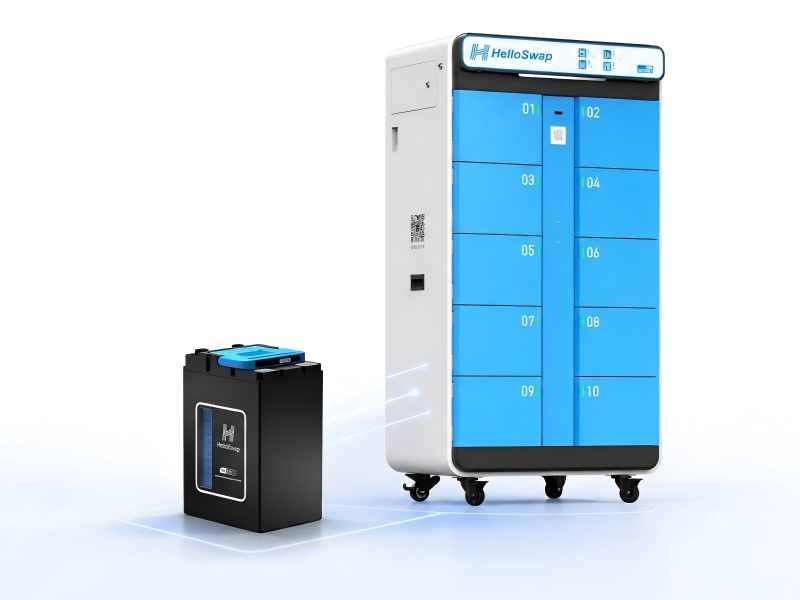
Our battery swapping system brings together swappable batteries, smart cabinets, rider access and operational software for food delivery, logistics and courier applications. We assess the proposed scooter, motorcycle or cargo tricycle configuration before recommending the equipment.
Compatibility review covers battery dimensions, electrical requirements, connectors, communication and locking arrangements. For cargo-tricycle projects, the existing battery configuration and route requirements help determine whether the proposed pack and cabinet arrangement is suitable. Matching voltage alone is not enough to establish compatibility.
Station access and charged-pack availability then shape the service riders receive. The HelloSwap rider app supports station availability information, navigation, QR-based operations and battery status tracking. Our battery swapping SaaS platform gives operators visibility into battery inventory, cabinet activity, rider accounts and maintenance work.
Our team can help you assess how battery swapping could fit your delivery routes and shifts, whether you are adapting an existing fleet or planning a new operation. We can review your current charging arrangements and discuss what a pilot should test before a wider rollout.
Tell us your operating city, fleet type and approximate fleet size through our inquiry form. We can discuss the next steps and identify any technical details needed for the assessment.
Contact Us
Location
2F, Building 1, No.898 XiuWen Road, MinHang District, Shanghai, China
Copyright © 2024 福建宁德惠智无限科技有限公司 All Rights Reserved. 闽ICP备2023025900号-3.


